
Subway Tile Backsplash
A backsplash we fabricate and install — get your free quote.
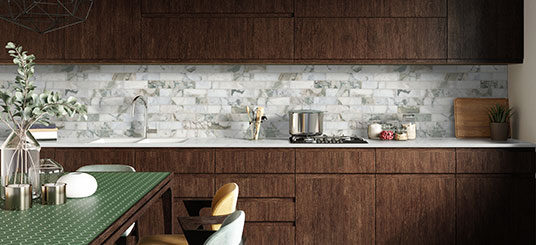
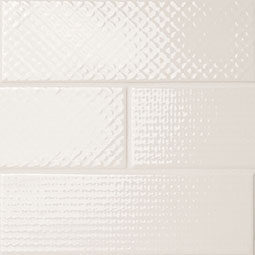
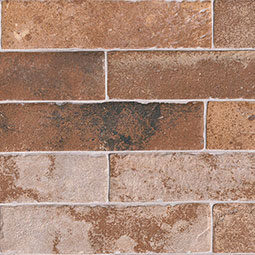
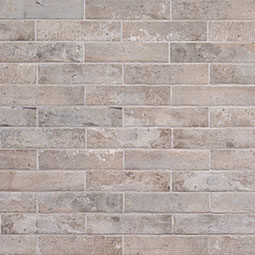
Templated, fabricated, and installed by our own crew across the northwest suburbs.
How we do backsplash installation →
Free in-home quoteWhat is subway tile?
Subway tile is the rectangular wall-tile format — a tile longer than it is tall, set in staggered courses. Ace installs 29 of them, from a 1x2 up to a 4x16, in ceramic, glass, marble, porcelain and travertine. We set the backsplash after the countertops are in, so the bottom course lands on a finished edge.
The 29 subway tiles we install
Face size, material and finish on each one — open any of them for the full page.
Every one of these is a page you can open, and every one is a tile our own crew sets. The pill is the face size in inches. 8 of the 29 are the classic 3x6; the rest run from 1x2 up to 4x16.
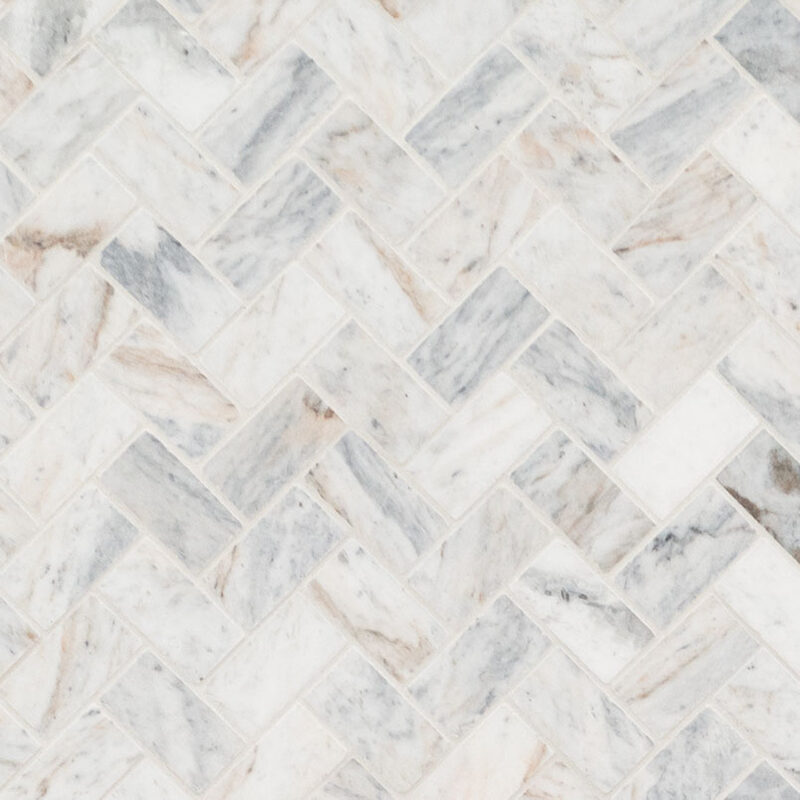
Capri Blue 1x2 Herringbone Honed Subway Tile
Ceramic · Honed
See this tile →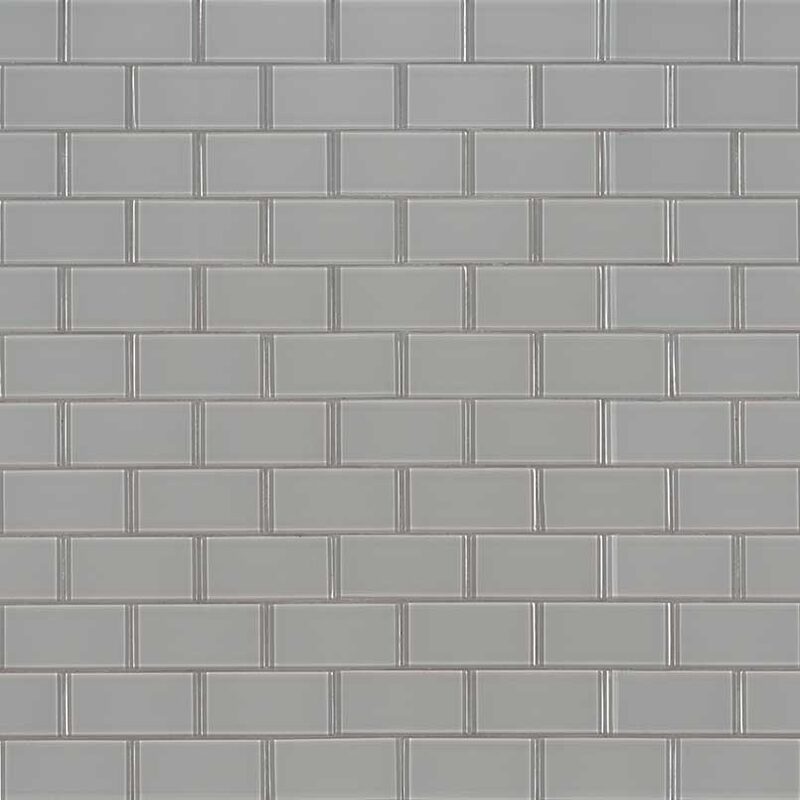
Oyster Gray Subway 2x4x8mm
Glass
See this tile →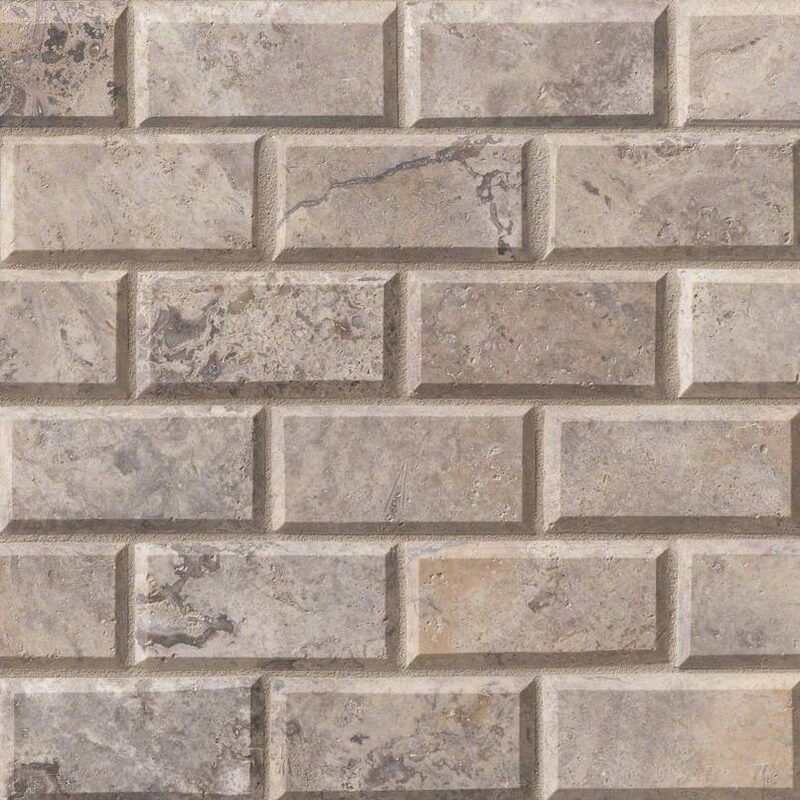
Silver Travertine Subway Tile
Travertine · Honed
See this tile →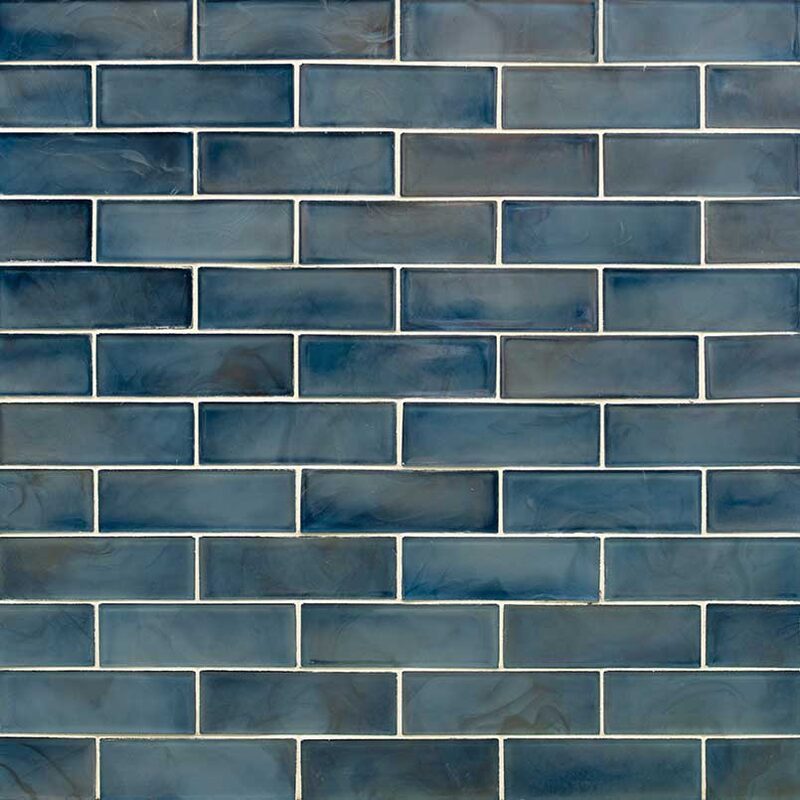
Blue Shimmer 2x6x6mm Subway
Glass
See this tile →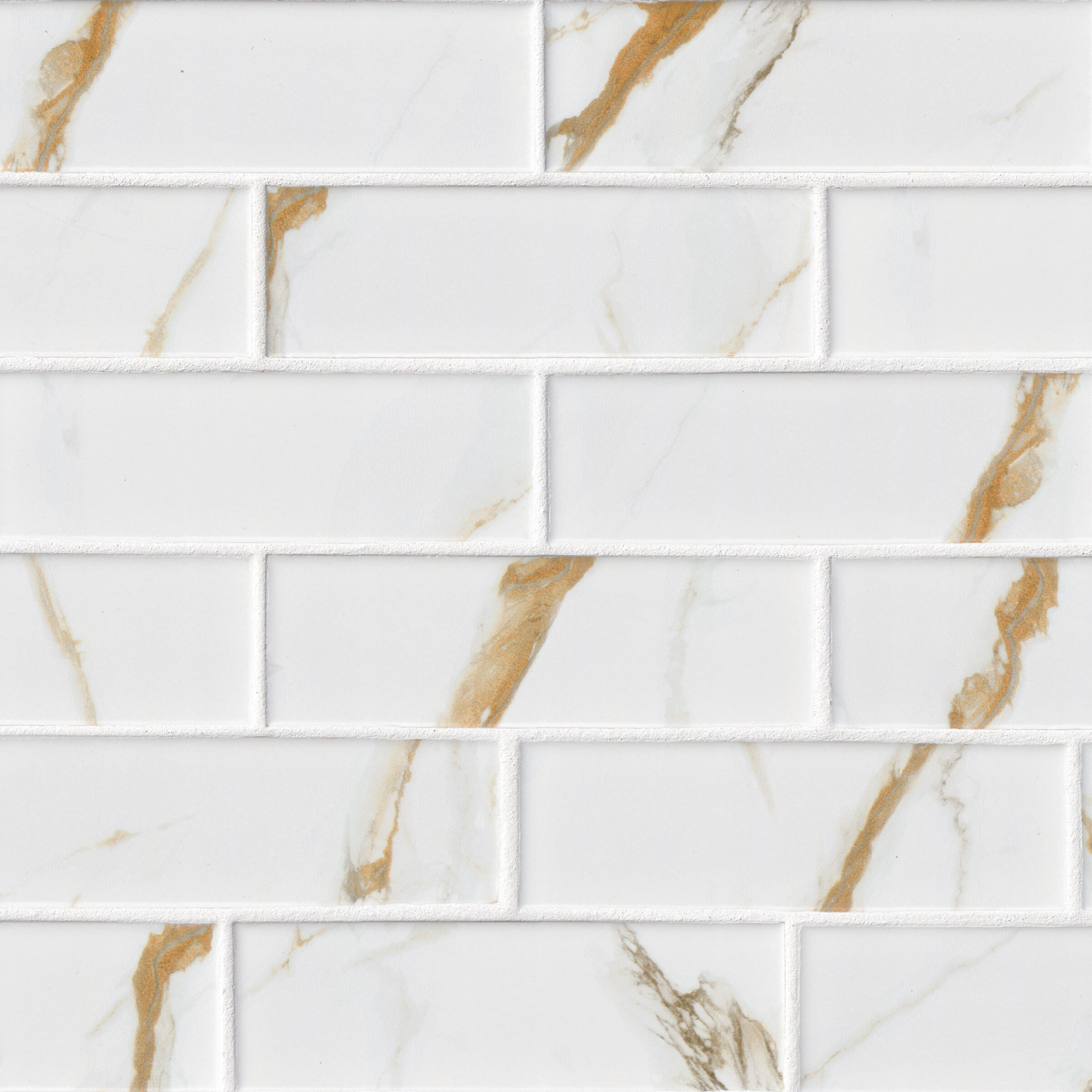
Calacatta Gold Matte Subway Tile 2x6
Ceramic · Matte
See this tile →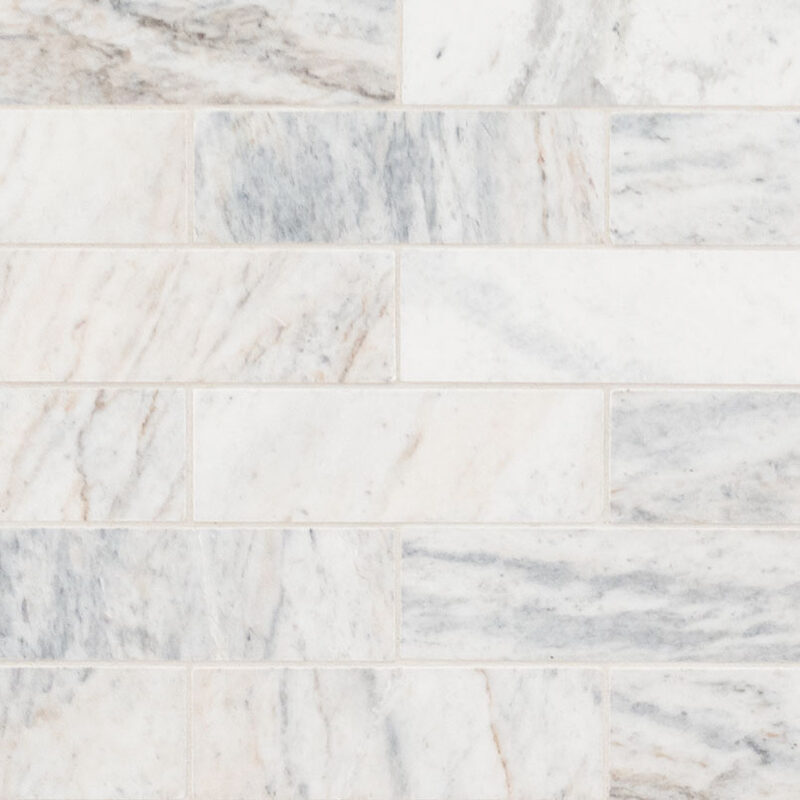
Capri Blue Honed Subway Tile 2x6
Ceramic · Honed
See this tile →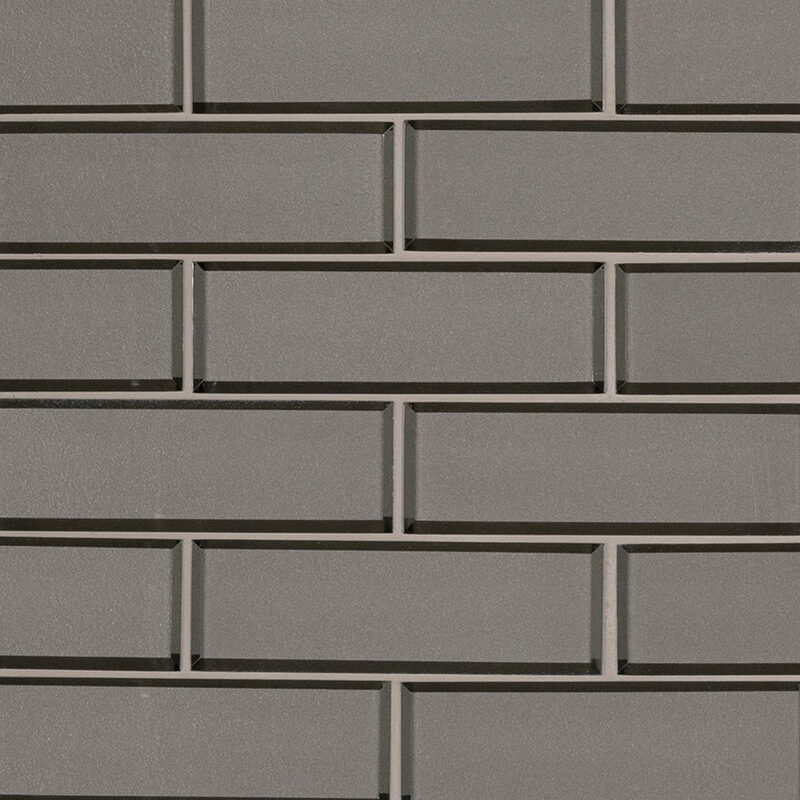
Champagne Bevel Subway 2x6x8mm
Glass · Beveled
See this tile →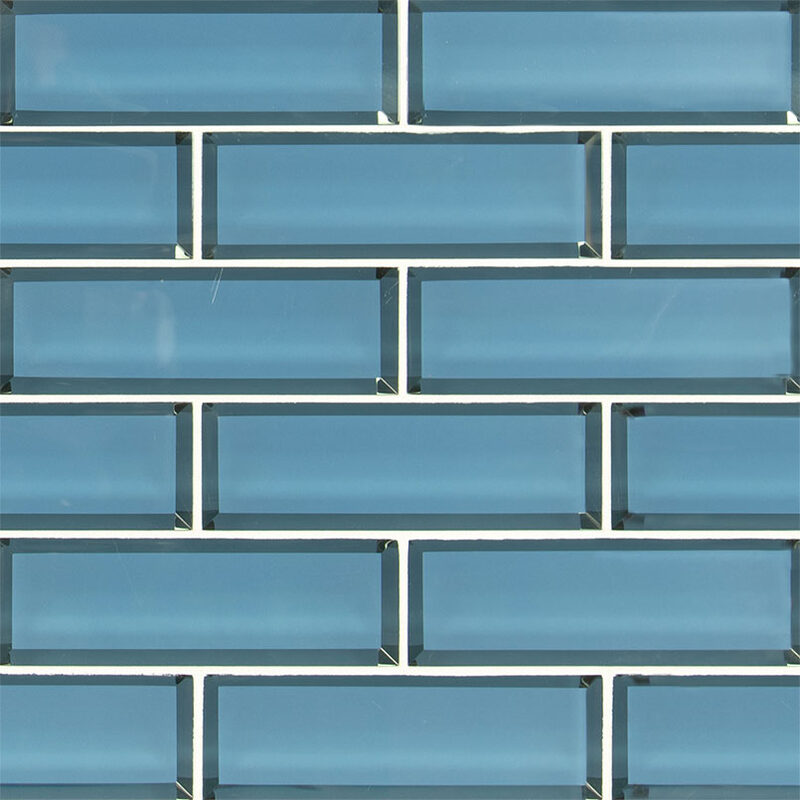
Haiku Sapphire Beveled Subway 2x6x8mm
Glass · beveled
See this tile →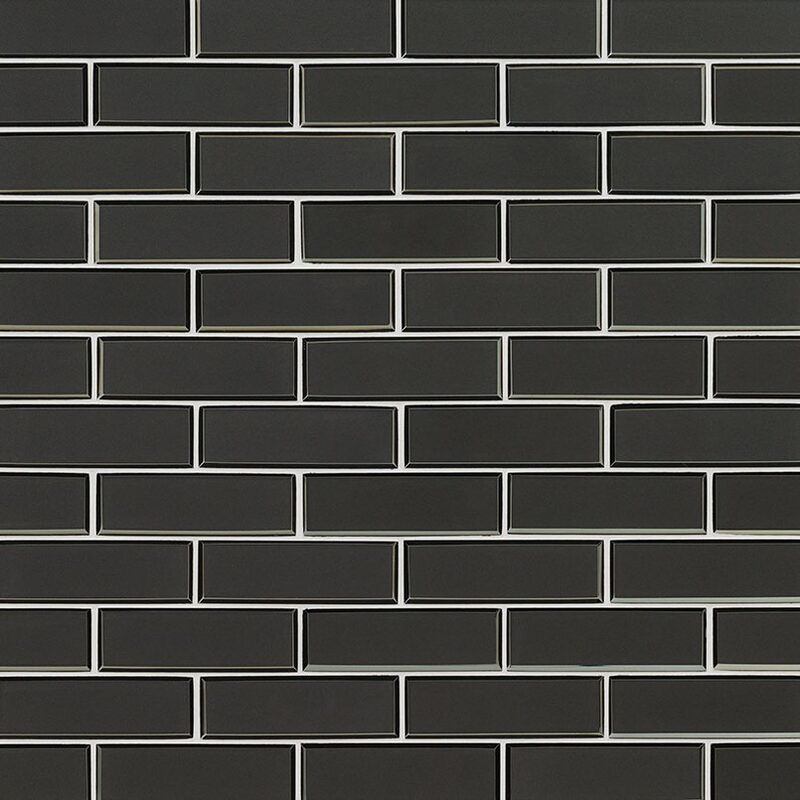
Metallic Gray Bevel Subway 8mm
Glass · Beveled
See this tile →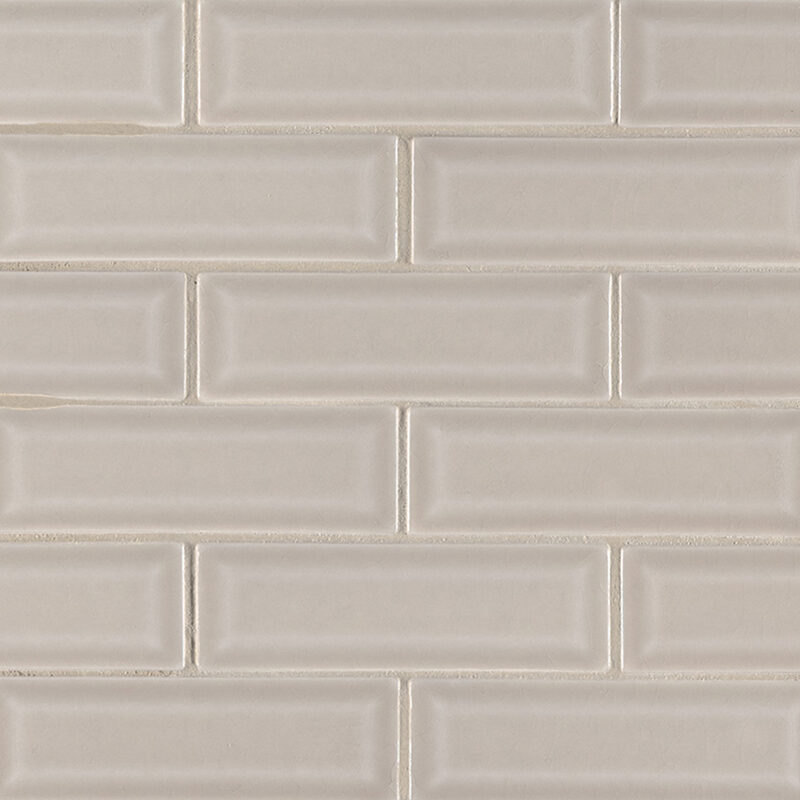
Portico Pearl 2x6 Beveled Mosaic Tile
Ceramic · Glossy · beveled
See this tile →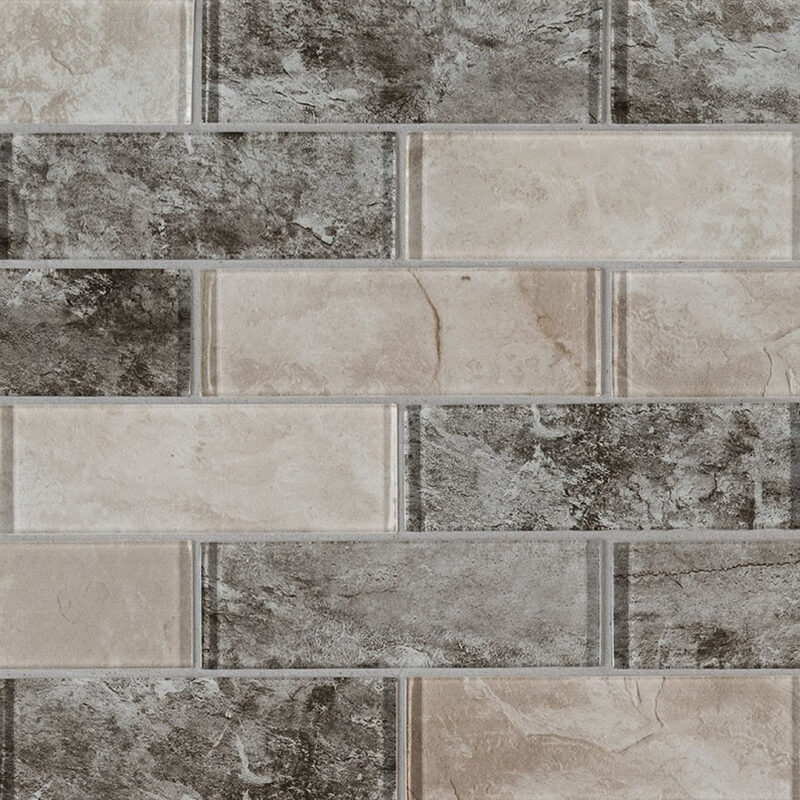
Savoy 2x6 Subway
Glass
See this tile →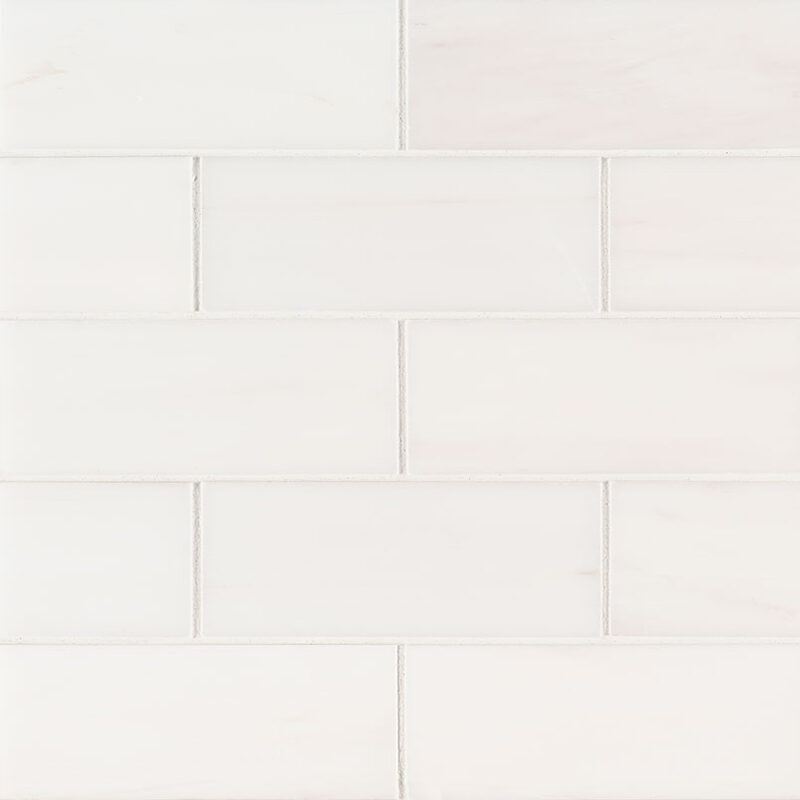
Bianco Dolomite Polished Subway Tile 3x6
Natural Marble · Polished
See this tile →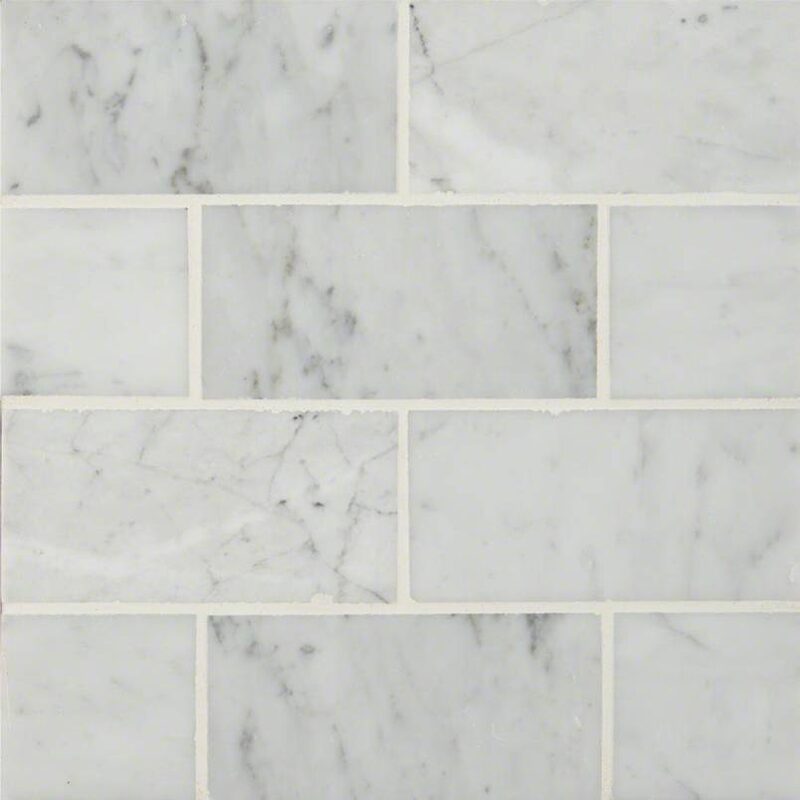
Carrara White Subway Tile
Natural Marble · Polished
See this tile →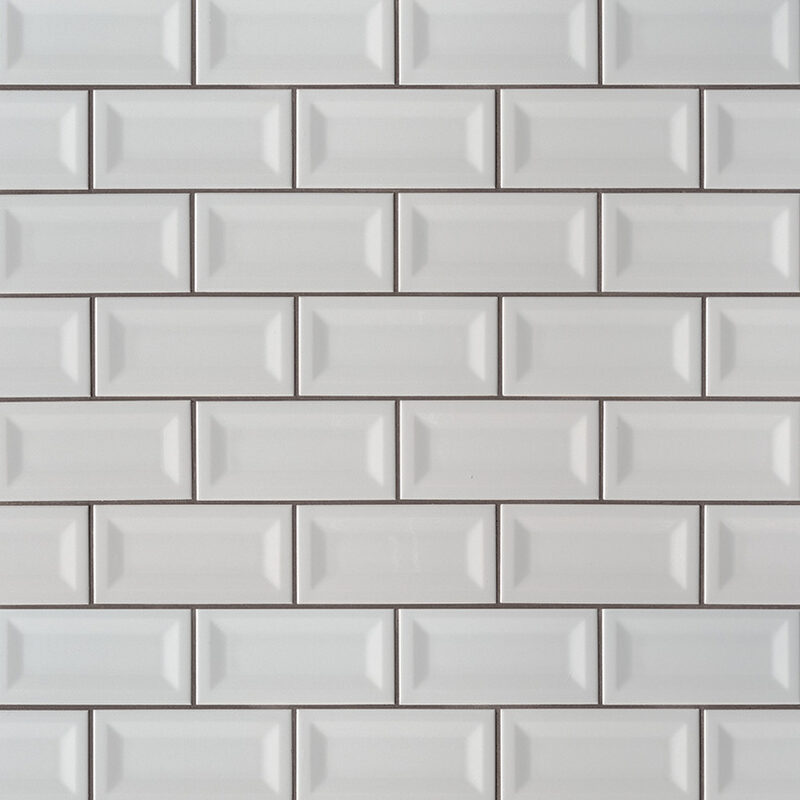
Gray Glossy 3x6 Inverted Beveled
Glossy · beveled
See this tile →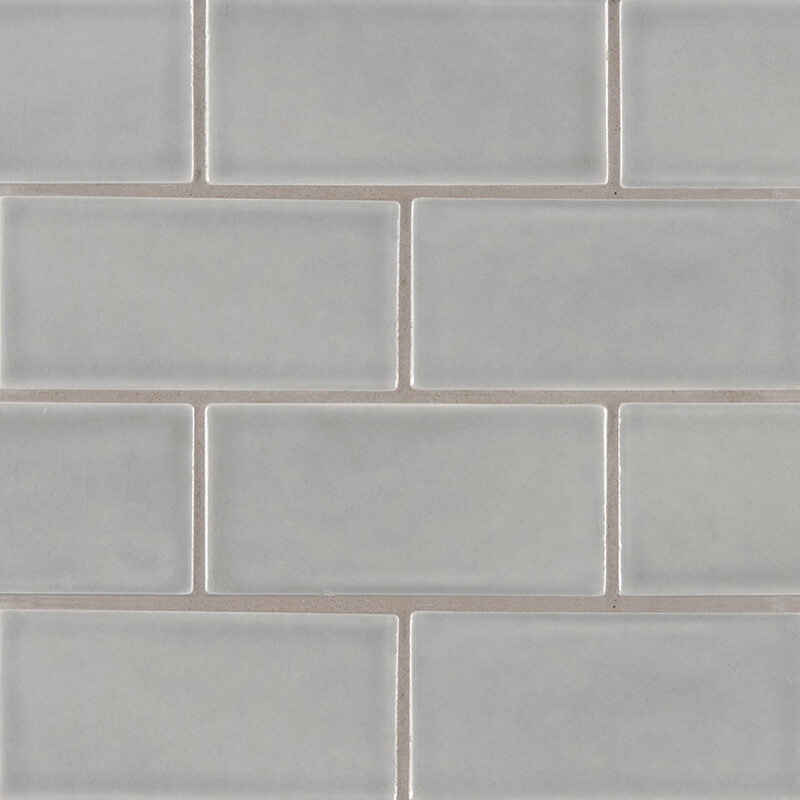
Morning Fog Subway Tile 3x6
Ceramic · Glossy
See this tile →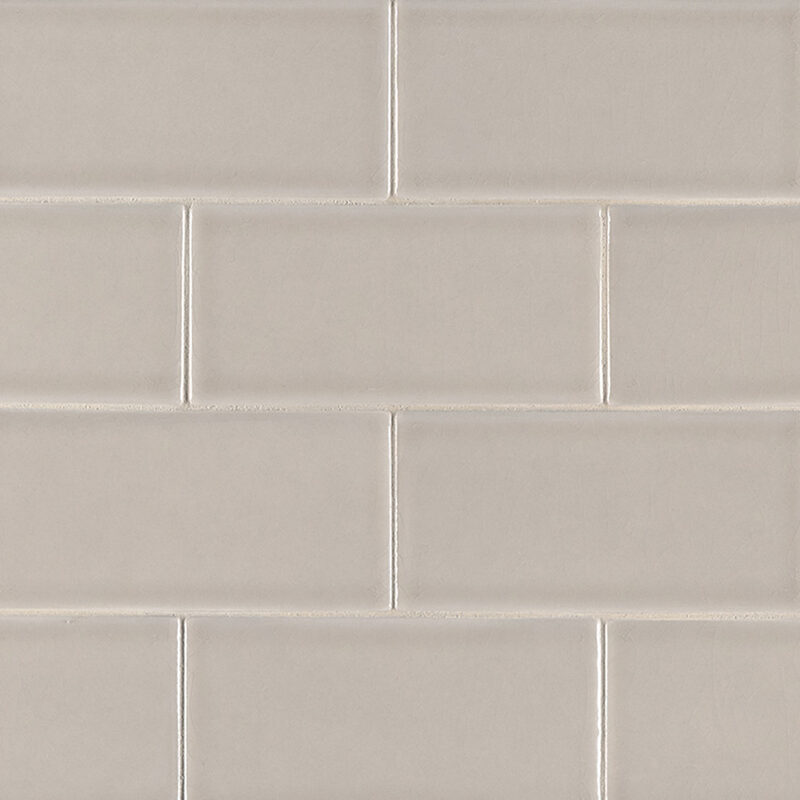
Portico Pearl Subway Tile 3x6 Mosaic Tile
Ceramic · Glossy
See this tile →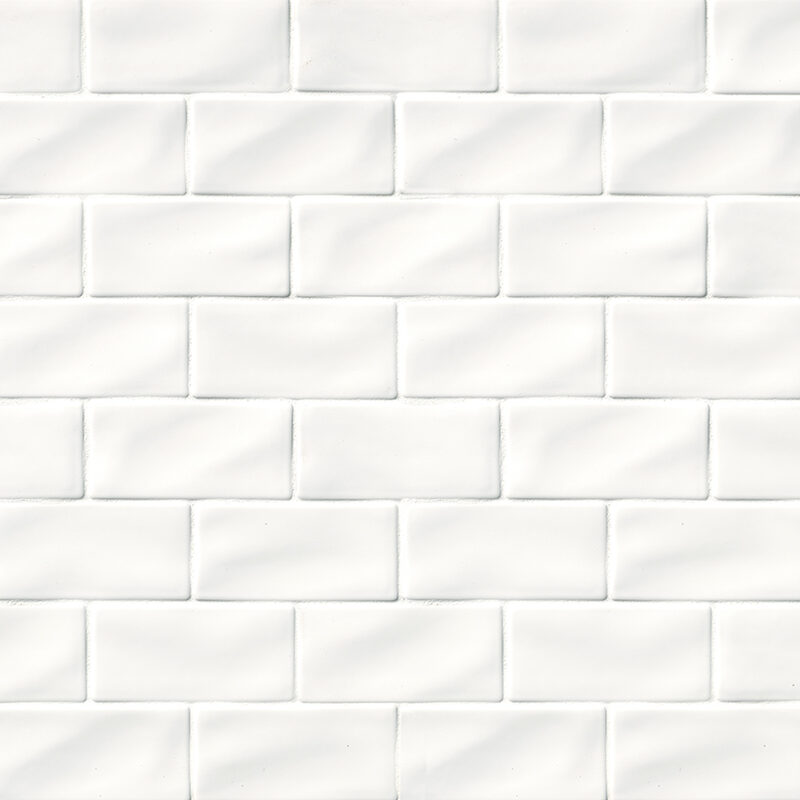
Whisper White Subway Tile 3x6
Ceramic · Glossy
See this tile →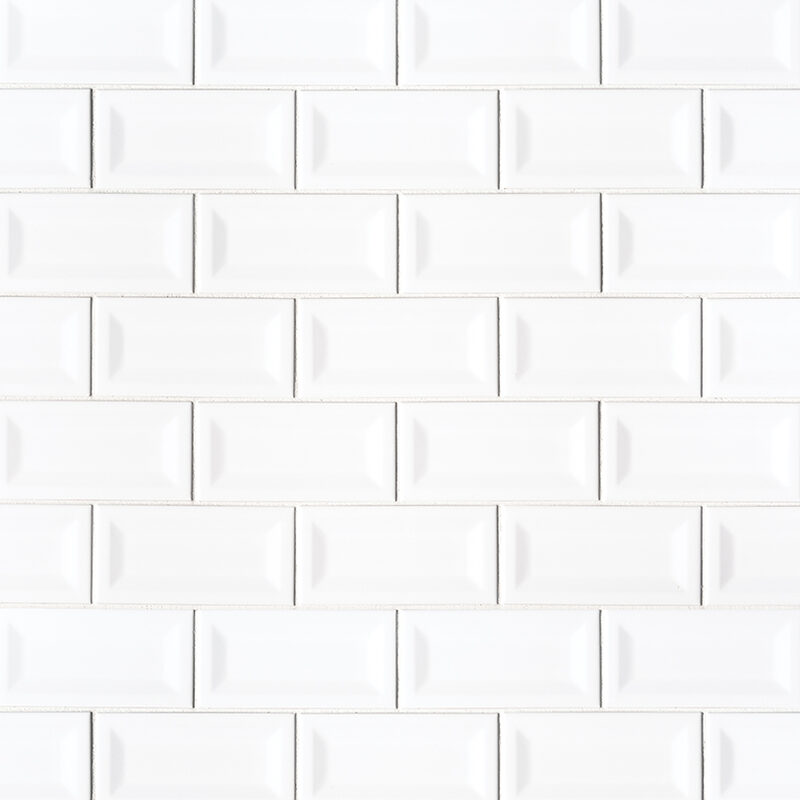
White Glossy 3x6 Inverted Beveled
Glossy · beveled
See this tile →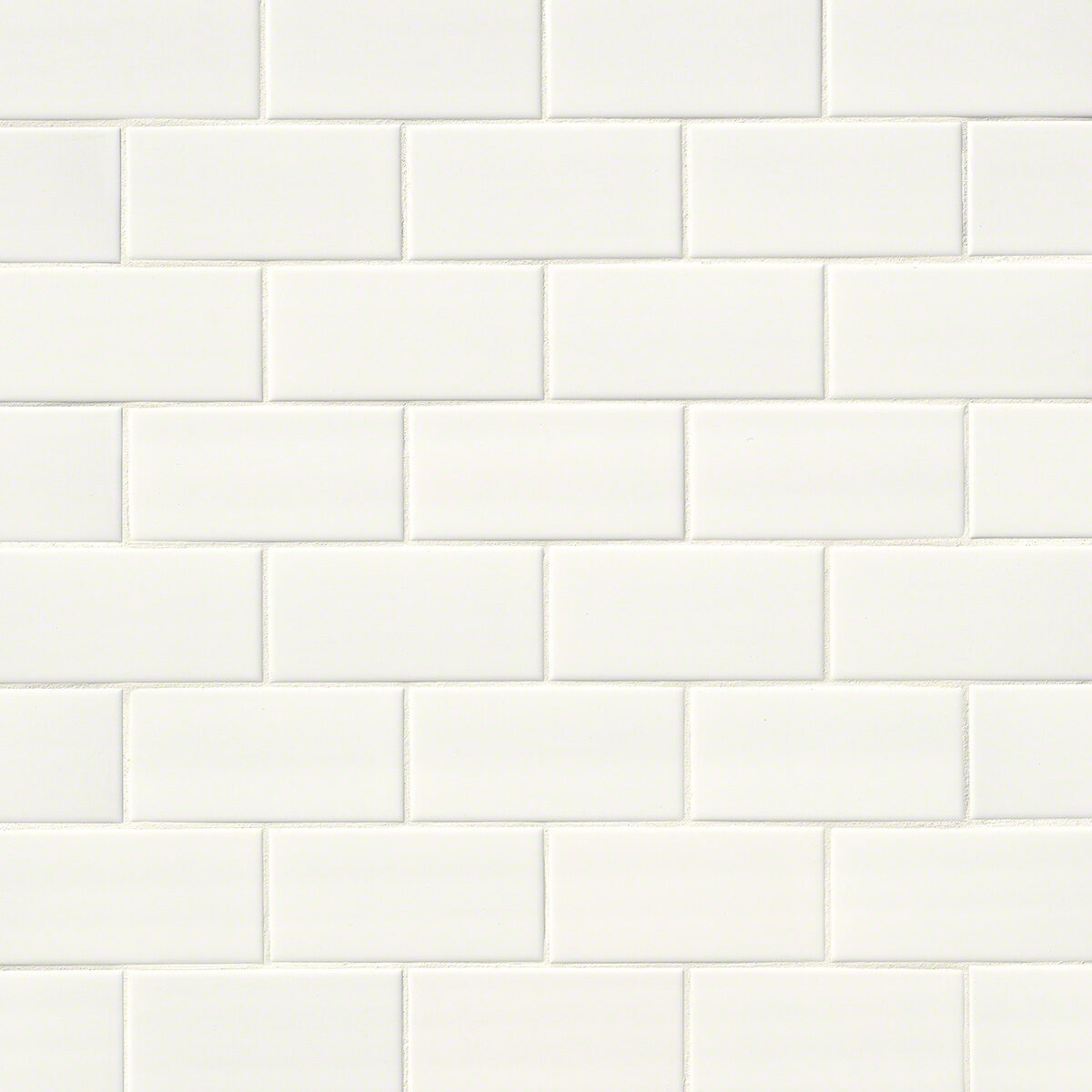
White Subway Tile 3x6
Ceramic
See this tile →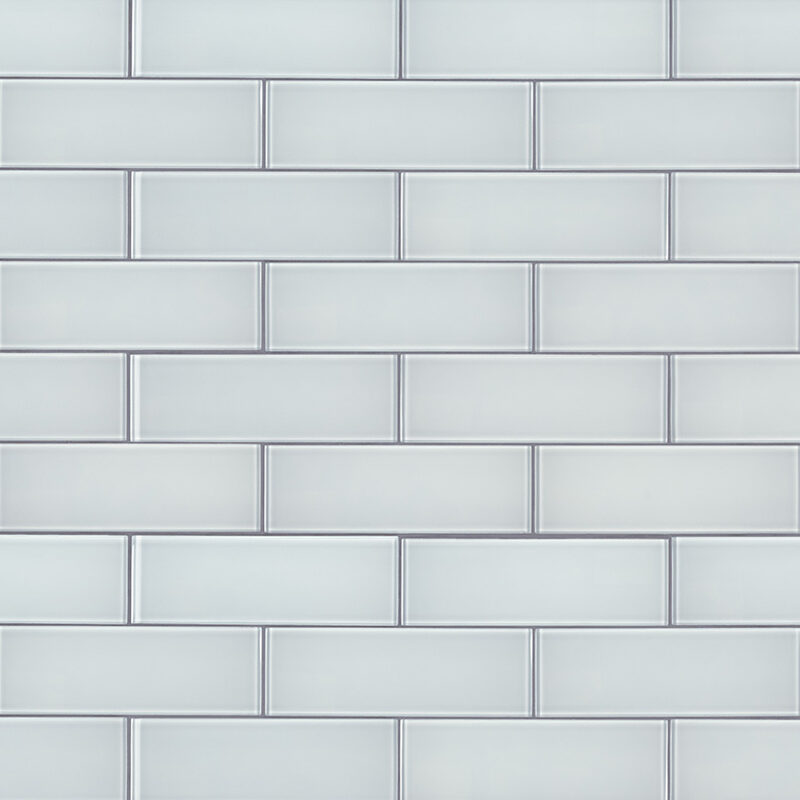
Ice Glass 3x9x8mm
Glass
See this tile →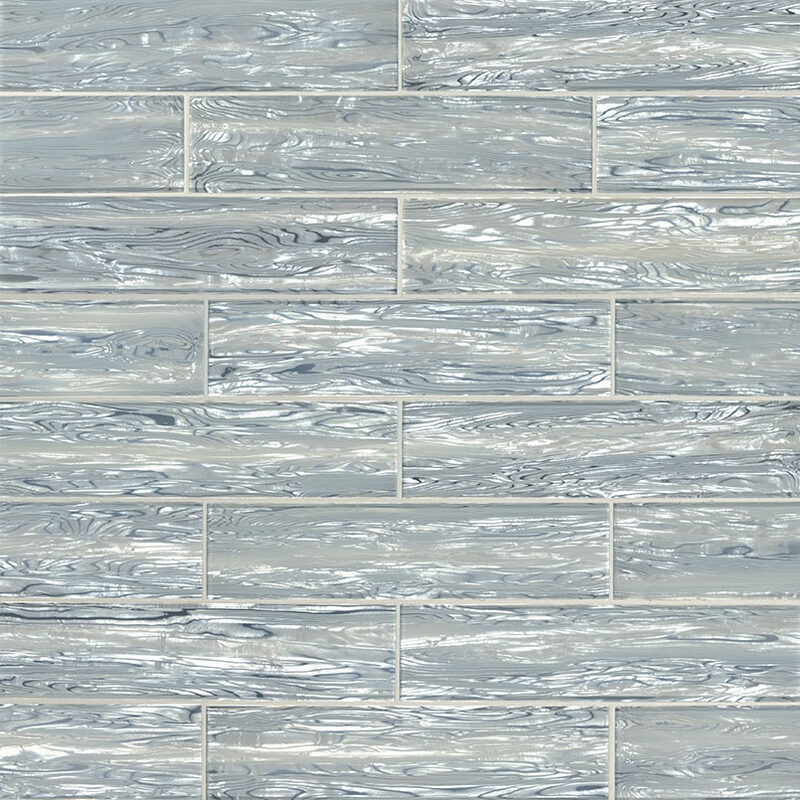
Chilcott Treasure 3x12x8mm
Glass
See this tile →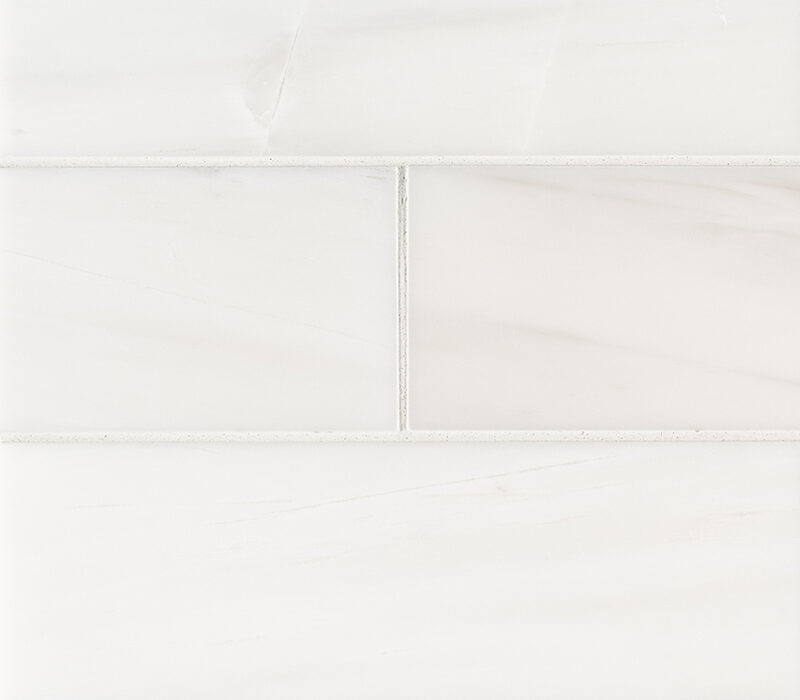
Bianco Dolomite Polished Subway Tile 4x12
Natural Marble · Polished
See this tile →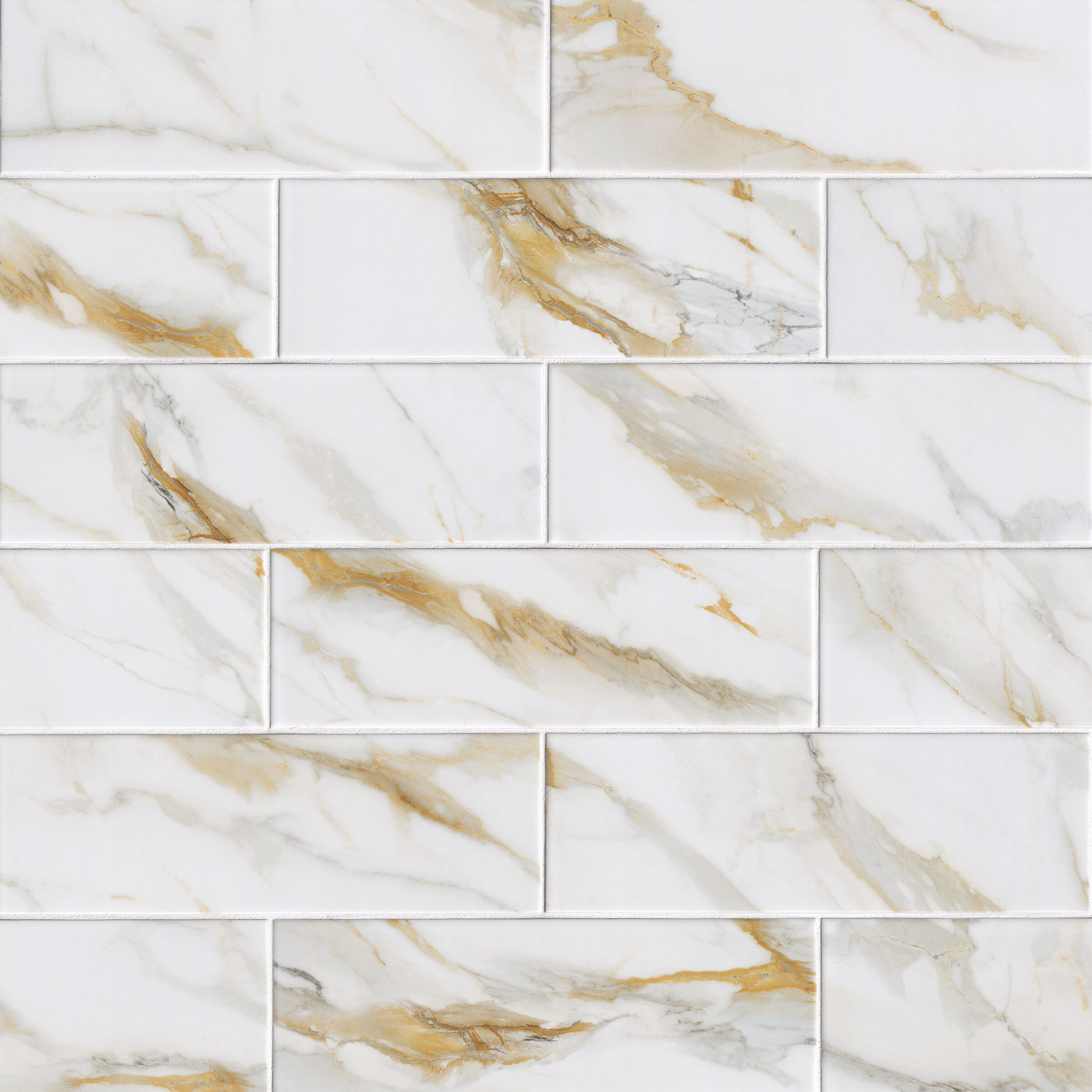
Calacatta Gold Matte Subway Tile 4x12
Ceramic · Matte
See this tile →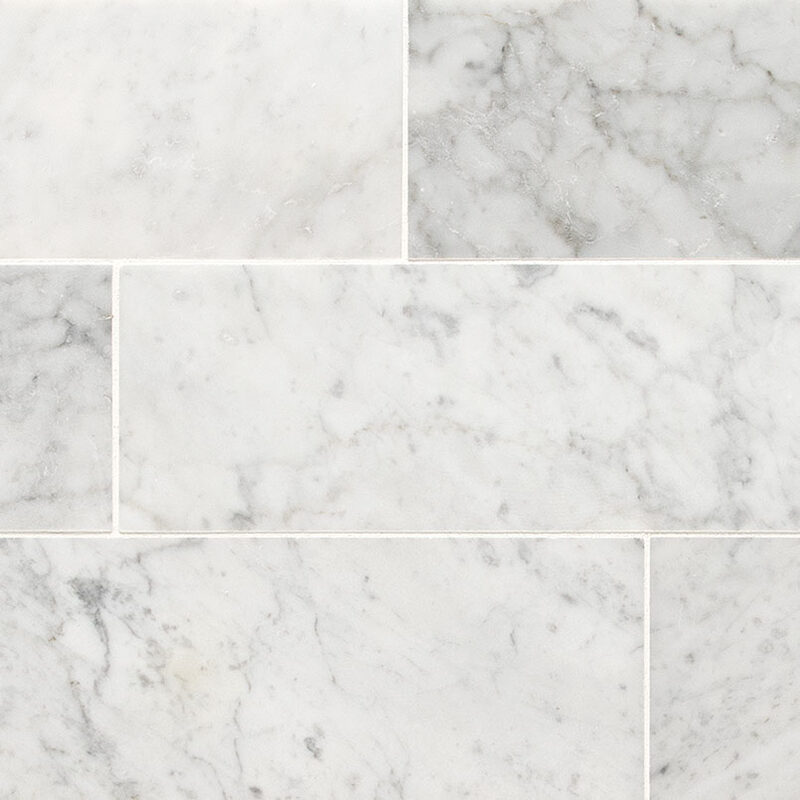
Carrara White 4x12 Honed Subway Tile
Natural Marble · Honed
See this tile →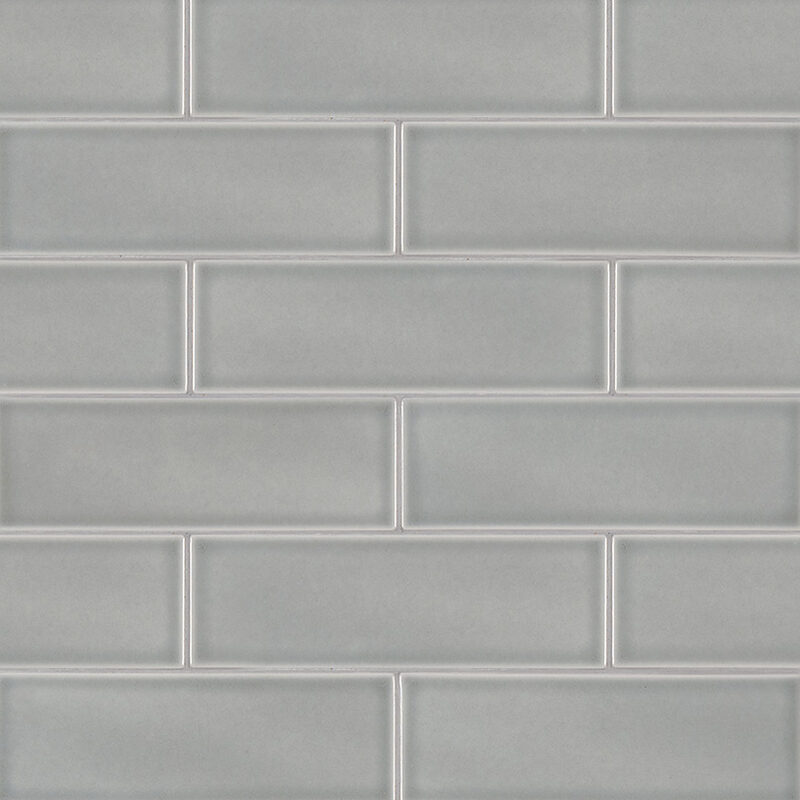
Morning Fog Subway Tile 4x12
Ceramic · Glossy
See this tile →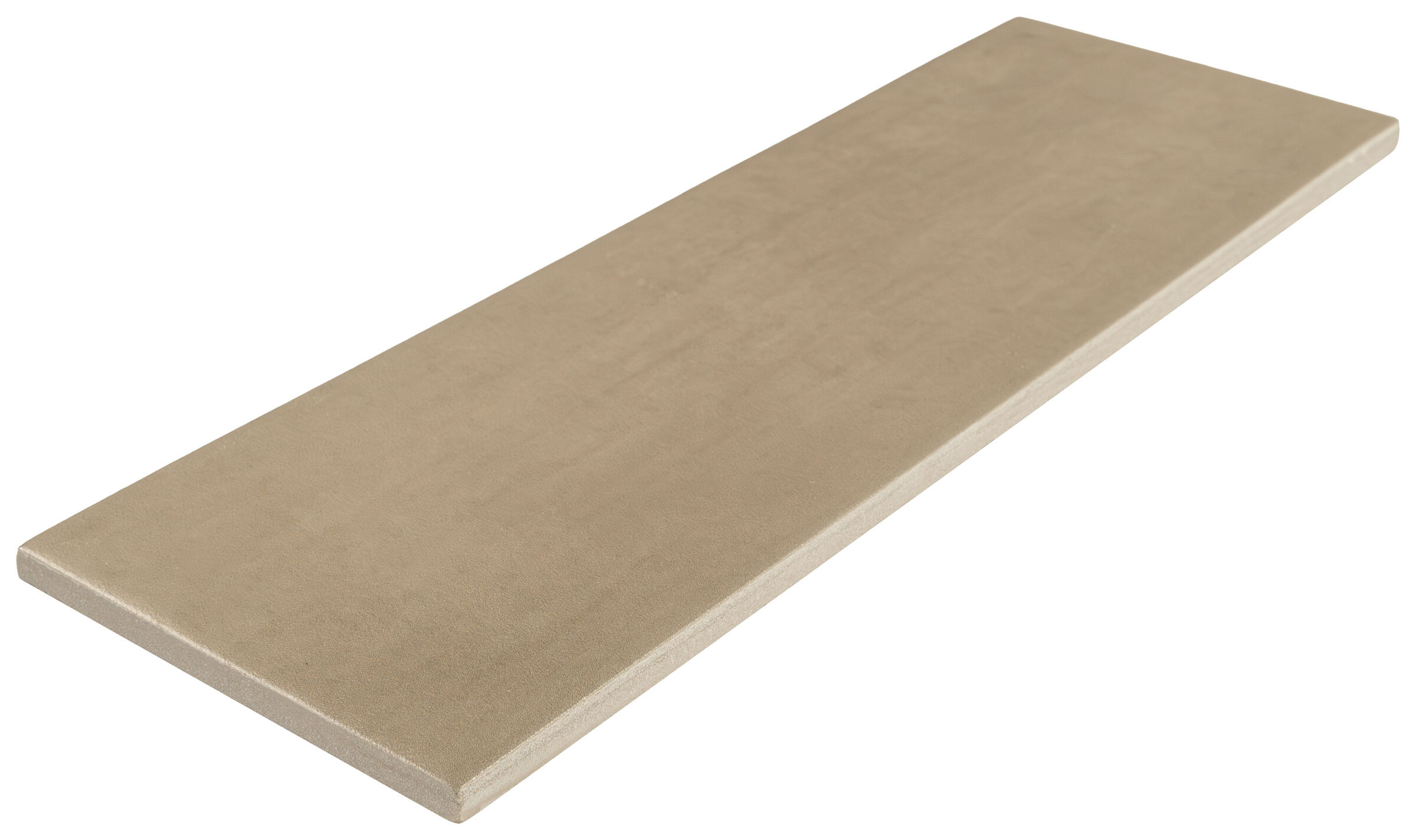
Sierra Umber 4x12 Matte
Porcelain · Matte
See this tile →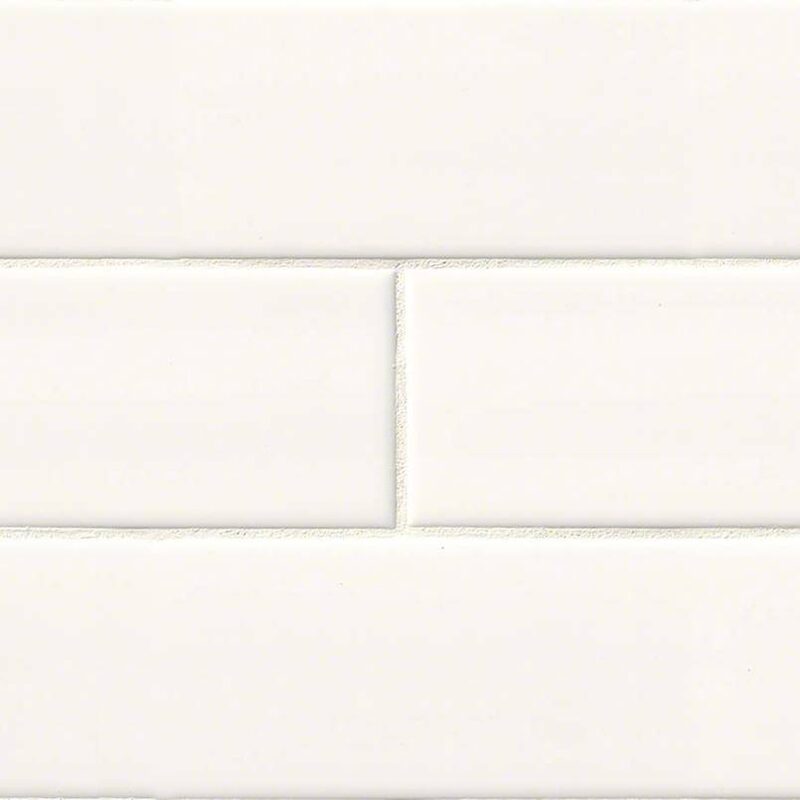
White Subway Tile 4x16
Ceramic
See this tile →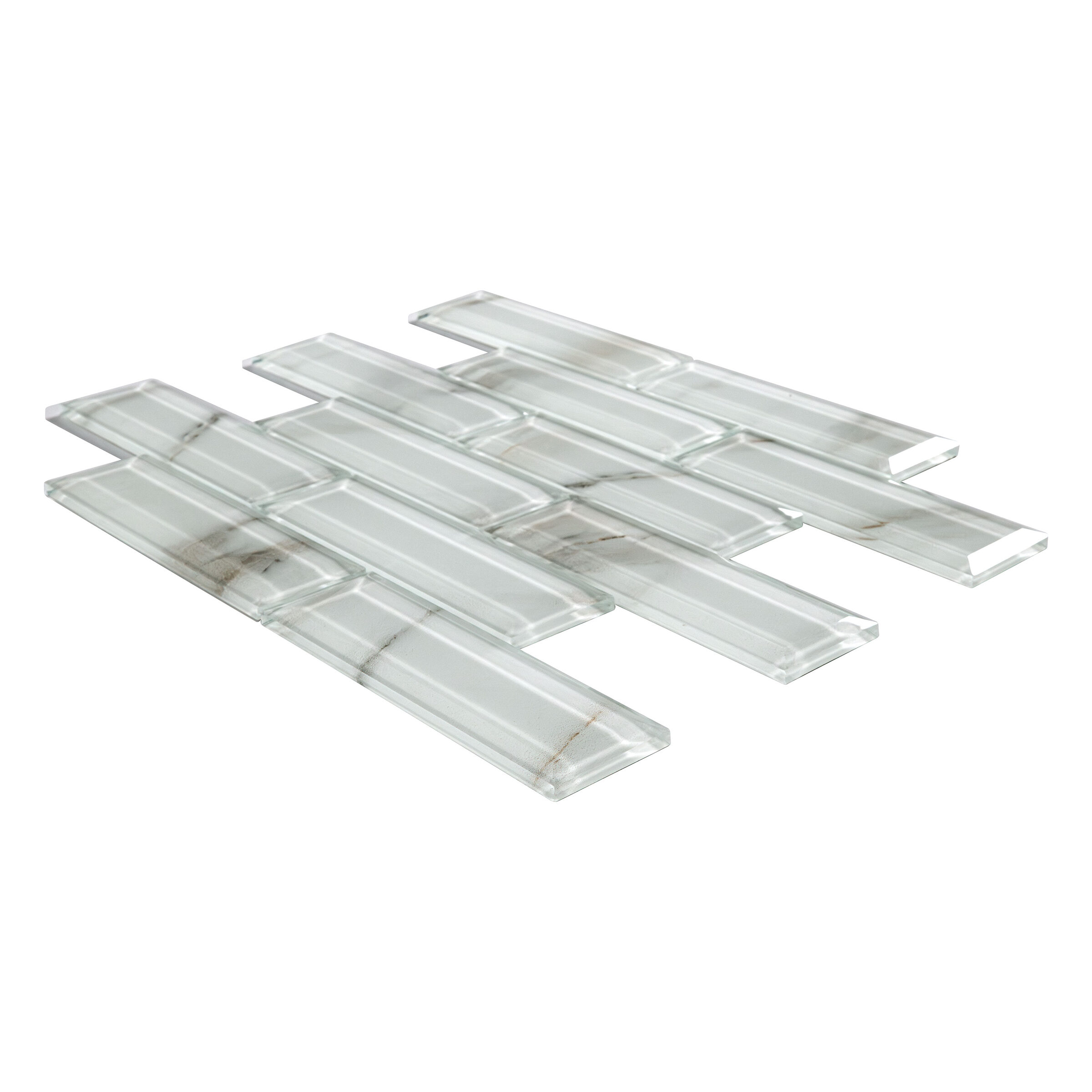
Ivory Amber Beveled Subway 8mm
Glass · Beveled
See this tile →
Retro Brick Bianco 6mm Matte Tile
Porcelain · Matte
See this tile →


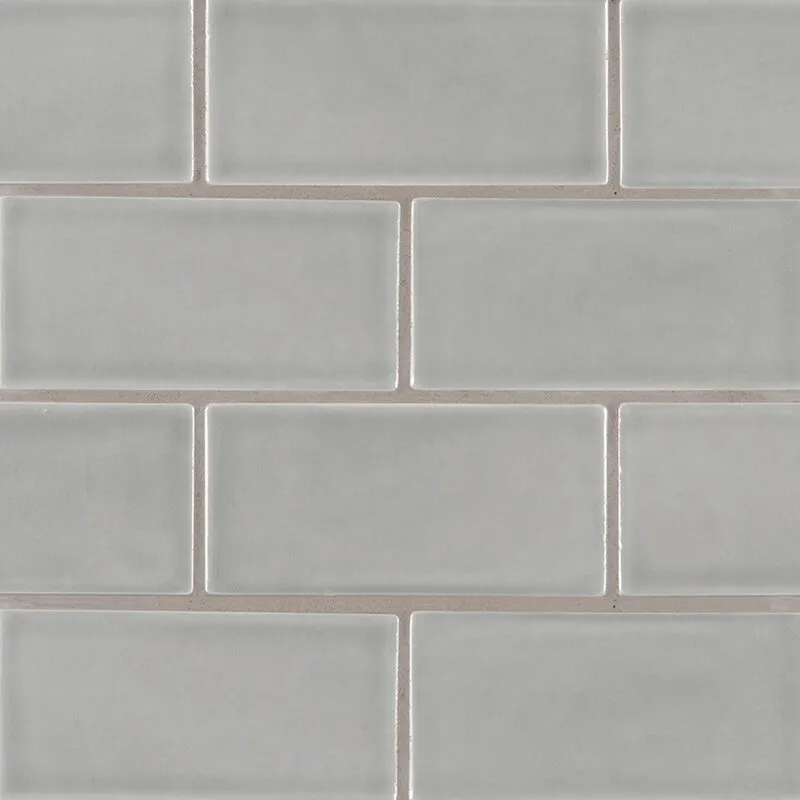


Face size changes the look — and the labor
The 8 sizes we stock, and what each one does to a wall.
A 1x2 and a 4x16 are both subway tile and they do not look remotely alike on the same wall. The number that explains why is how many pieces land in a square foot, and how much grout line comes with them. Ours run from 3.8 ft to 18 ft of joint per square foot — 4.8 times the difference. That is the look, and it is also the setting time.
| Face size | Tiles per sq ft | Grout line per sq ft | Tiles we stock |
|---|---|---|---|
| 1x2 in. | 72 | 18 ft | 1 |
| 2x4 in. | 18 | 9 ft | 2 |
| 2x6 in. | 12 | 8 ft | 8 |
| 3x6 in. | 8 | 6 ft | 8 |
| 3x9 in. | 5.3 | 5.3 ft | 1 |
| 3x12 in. | 4 | 5 ft | 1 |
| 4x12 in. | 3 | 4 ft | 5 |
| 4x16 in. | 2.3 | 3.8 ft | 1 |
Nominal figures for a running-bond field, computed from each size, not quoted from anyone.
Any rectangle here can be set four ways: running bond, stacked, vertical stack and vertical offset. What each size adds beyond those four is listed with it below.
1x2 in.
At this size the grout becomes the pattern. You are buying a texture, not a field of tile.
- 72 tiles per square foot
- about 18 ft of grout line per square foot
- also takes herringbone, diagonal herringbone and basketweave
- 1 tile we stock in this size
2x4 in.
Small pieces read as texture from across the room and as craft up close. The joint does most of the talking.
- 18 tiles per square foot
- about 9 ft of grout line per square foot
- also takes herringbone, diagonal herringbone and basketweave
- 2 tiles we stock in this size
2x6 in.
Stretching the tile horizontally quiets the grid and makes a narrow galley wall look longer.
- 12 tiles per square foot
- about 8 ft of grout line per square foot
- no layout beyond the four above at this proportion
- 8 tiles we stock in this size
3x6 in.
This is the size most people picture when they say subway tile, and it is the one that never dates.
- 8 tiles per square foot
- about 6 ft of grout line per square foot
- also takes herringbone, diagonal herringbone and basketweave
- 8 tiles we stock in this size
3x9 in.
Stretching the tile horizontally quiets the grid and makes a narrow galley wall look longer.
- 5.3 tiles per square foot
- about 5.3 ft of grout line per square foot
- no layout beyond the four above at this proportion
- 1 tile we stock in this size
3x12 in.
Stretching the tile horizontally quiets the grid and makes a narrow galley wall look longer.
- 4 tiles per square foot
- about 5 ft of grout line per square foot
- also takes one-third offset and herringbone
- 1 tile we stock in this size
4x12 in.
At plank proportions the wall reads almost like a panel. Very few joints, and every one of them has to be right.
- 3 tiles per square foot
- about 4 ft of grout line per square foot
- also takes one-third offset
- 5 tiles we stock in this size
4x16 in.
At plank proportions the wall reads almost like a panel. Very few joints, and every one of them has to be right.
- 2.3 tiles per square foot
- about 3.8 ft of grout line per square foot
- also takes one-third offset and herringbone
- 1 tile we stock in this size
Size not published
2 of the 29 arrive as a pattern sheet rather than a single face size, so there is no honest number to put here. We measure the sample on the counter with you.
How we get those numbers: pieces per square foot is 144 divided by the face area in inches. Joint length is half a tile's perimeter — every edge is shared with a neighbor — times the piece count. Both are nominal: they ignore the joint width itself and the cuts at the ends of a run.
What it comes in
Bodies, finishes and the color we measured — not the color it is named.
The format is one decision. What the tile is made of is a different one, and it is the one that decides how the wall behaves five years in.
Ceramic
11 of 29
A glazed body with a fired surface that nothing in a kitchen etches. It is the cheapest of these to replace if a course gets damaged years from now, which matters more than people expect.
- Capri Blue 1x2 Herringbone Honed Subway Tile — 1x2 in.
- Calacatta Gold Matte Subway Tile 2x6 — 2x6 in.
- Capri Blue Honed Subway Tile 2x6 — 2x6 in.
- Portico Pearl 2x6 Beveled Mosaic Tile — 2x6 in.
- Morning Fog Subway Tile 3x6 — 3x6 in.
- Portico Pearl Subway Tile 3x6 Mosaic Tile — 3x6 in.
- Whisper White Subway Tile 3x6 — 3x6 in.
- White Subway Tile 3x6 — 3x6 in.
- Calacatta Gold Matte Subway Tile 4x12 — 4x12 in.
- Morning Fog Subway Tile 4x12 — 4x12 in.
- White Subway Tile 4x16 — 4x16 in.
Glass
9 of 29
The body is translucent, so the setting bed reads through it — the thinset color is part of the finished color, and a white-set tile and a gray-set tile of the same glass do not match.
- Oyster Gray Subway 2x4x8mm — 2x4 in.
- Blue Shimmer 2x6x6mm Subway — 2x6 in.
- Champagne Bevel Subway 2x6x8mm — 2x6 in.
- Haiku Sapphire Beveled Subway 2x6x8mm — 2x6 in.
- Metallic Gray Bevel Subway 8mm — 2x6 in.
- Savoy 2x6 Subway — 2x6 in.
- Ice Glass 3x9x8mm — 3x9 in.
- Chilcott Treasure 3x12x8mm — 3x12 in.
- Ivory Amber Beveled Subway 8mm
Natural Marble
4 of 29
Real stone, so it is porous and it is calcite: it wants sealing, and lemon or tomato left on it will etch a dull spot no cleaner brings back. We say this before we quote it, not after.
- Bianco Dolomite Polished Subway Tile 3x6 — 3x6 in.
- Carrara White Subway Tile — 3x6 in.
- Bianco Dolomite Polished Subway Tile 4x12 — 4x12 in.
- Carrara White 4x12 Honed Subway Tile — 4x12 in.
Porcelain
2 of 29
Denser than ceramic and fired harder, so the edges of a rectified tile stay crisp and the cut edge is less likely to chip on site.
Travertine
1 of 29
A stone with natural voids that arrive filled at the factory. The fill can pop out over years and it wants sealing like any calcite stone.
- Silver Travertine Subway Tile — 2x4 in.
Body not recorded
2 of 29
The catalog does not record what body these are fired from, so we do not guess at it on a page. Ask us and we will read it off the box.
Measured off each tile's own swatch, 11 land in the white range, 5 land in the gray range, 4 land in the blue range, 3 land in the cream range. 3 more measure a color we will not put a label on — the swatch is there, the confidence is not, and a color facet built on a guess sends people to the wrong tile.
Finishes across the set: beveled, glossy, honed, matte and polished. 7 of the 29 are beveled, which is not a color decision — a bevel puts a highlight on every single piece, so a plain white wall picks up a grid of light that a flat tile does not have.
How it gets into your kitchen
5 steps, 2–21 days end to end.
Select and order tile
Choose tile, pattern, and grout color; confirm stock. In-stock tile ships in days; special-order tile is the usual delay and can take two weeks or more.
Tip: Order 10-15 percent overage. A broken box or a bad cut without spare tile stalls the whole job; leftover tile is also your future repair kit.
Wall prep
Remove any old backsplash, repair and prime drywall, mark outlet moves and under-cabinet lighting wiring before anything is set.
Tip: This only happens after the countertops are installed — the tile has to land on the real counter line, and slab handling would endanger finished tile.
Set tile
Tile is laid out from the counter line and set in thinset mortar. Half a day for a simple subway field; up to two days for herringbone, mosaics, or full-wall runs. Mortar cures overnight before grouting.
Tip: Ask to see the dry layout before setting starts — centering on the range, how cuts fall at corners and outlets. Ten minutes here prevents the one flaw you will stare at forever.
Grout
After the overnight mortar cure: grout, clean, and tool the joints. Half a day to a day.
Tip: Grout color changes the pattern more than tile color — confirm the swatch against your actual set tile, not the showroom board.
Caulk and seal
Flexible silicone (never grout) at the counter-to-tile joint and inside corners; sealer on natural stone tile and cement grout.
Tip: The counter joint must be caulk because the counter and wall move independently — grout there cracks within a season. Check it annually and recaulk as needed.
What it costs installed
The published project ranges, and the four things that actually move the tile line.
We are not going to print a square-foot price for subway tile, because the wall drives that number more than the tile does. Tear-out, how far up you go, how many outlets interrupt the field, and whether the run ends at a window all move it further than the tile you picked.
What we do publish is the installed project. Backsplash goes in as part of the countertop job — after the tops, so the bottom course sits on a finished edge — and these are the total installed ranges for that job by kitchen size, as of 2026-07.
| Kitchen size | Engineered Quartz | Granite | Quartzite | Marble |
|---|---|---|---|---|
| Galley kitchens (30–45 sq ft) | $3,600–$6,750 | $4,200–$7,650 | $4,500–$8,550 | $5,100–$9,000 |
| Small kitchens (45–60 sq ft) | $5,400–$9,000 | $6,300–$10,200 | $6,750–$11,400 | $7,650–$12,000 |
| Medium kitchens (60–75 sq ft) | $7,200–$11,250 | $8,400–$12,750 | $9,000–$14,250 | $10,200–$15,000 |
| Large kitchens (75–90 sq ft) | $9,000–$13,500 | $10,500–$15,300 | $11,250–$17,100 | $12,750–$18,000 |
| Extra large kitchens (90–120 sq ft) | $10,800–$18,000 | $12,600–$20,400 | $13,500–$22,800 | $15,300–$24,000 |
Total installed project cost — template, fabrication and standard installation. These are countertop project ranges, NOT a price for tile: the backsplash is a line inside this job. Ask us for a firm number on your wall.
What moves the tile line
- Piece count. A 1x2 field is 32× the pieces of a 4x16 over the same wall, and 18 ft of joint per square foot against 3.8 ft. That is setting time, and it is the one driver this page can put a number on.
- Layout. A straight running bond is the fastest thing to set. Anything that meets at an angle costs more in both cuts and time.
- Tear-out. Coming off an existing tile or a 4-inch stone strip is its own line, and what is behind it decides whether the wall needs skim work first.
- Stone versus fired tile. Marble and travertine want sealing, and that is a return visit as well as a material.
Questions about subway tile
Answered from what the tiles on this page actually are.
What sizes of subway tile do you carry?
8 face sizes across 29 tiles: 1x2 (1), 2x4 (2), 2x6 (8), 3x6 (8), 3x9 (1), 3x12 (1), 4x12 (5), 4x16 (1). 2 more arrive as a pattern sheet with no single face size. The classic 3x6 accounts for 8 of them.
Is subway tile always white?
No. 11 of the 29 measure in the white range off their own swatch, which leaves 18 that do not. 5 gray, 4 blue, 3 cream, 1 silver, 1 gold round out the set. 3 measure a color we deliberately do not label, because the classification came off swatch pixels alone and we would rather show you the tile than name it wrong.
Ceramic, glass, marble or porcelain — does it matter on a backsplash?
It changes what you do to it, not whether it works. The set breaks down as 11 ceramic, 9 glass, 4 natural marble, 2 porcelain, 1 travertine. Real stone, so it is porous and it is calcite: it wants sealing, and lemon or tomato left on it will etch a dull spot no cleaner brings back. We say this before we quote it, not after. The body is translucent, so the setting bed reads through it — the thinset color is part of the finished color, and a white-set tile and a gray-set tile of the same glass do not match.
How much grout line am I signing up for?
Between 3.8 and 18 feet of joint per square foot of wall, depending on which size you pick — a 4x16 at the low end, a 1x2 at the high end. Grout is the part of a backsplash that ages. More joint is more character and more to keep clean, and behind a stove that is a real decision rather than a detail.
Do the beveled ones look different?
7 of the 29 are beveled. The bevel is a chamfer on each edge, so every piece catches light on its own and the wall reads as a grid of highlights rather than a flat plane. It shows most on a plain white tile, which is exactly where people usually want more going on.
Can any of this go on the floor?
Some of it. 9 of the 29 are rated for residential flooring; 20 are recorded as not recommended for it. All 29 are rated for residential and commercial wall use, which is the job we are talking about. A wall tile on a floor is a slip and wear question, not a looks question, so we go by the rating rather than the picture.
Which of these need sealing?
5 of the 29 are natural stone — marble and travertine — and those want a penetrating sealer. The fired bodies do not. The grout is worth sealing whatever the tile is. That is the joint that stains behind a range, not the tile face.
Which one do you put in most kitchens?
The 3x6 in a plain glaze, set in a running bond. It is 8 of the 29 tiles here for a reason: it is the proportion people recognize, it is the cheapest of these to set, and it has never once looked dated to us. If you want the wall quieter, go longer. If you want it to be the thing people notice, that is what the glass and the stone are for.
Words that show up on a quote
Sixteen terms fabricators use as if everyone knows them.
- Mohs hardness
- A 1-10 mineral hardness scale used to compare countertop scratch resistance. Marble sits around 3-4 (scratches easily), granite 6-7, quartz and quartzite about 7, porcelain 7-8. A steel knife blade is roughly 5.5 — materials above that resist kitchen-knife scratches.
- Apron-front sink
- Also called a farmhouse sink: a deep bowl whose front face is exposed, replacing a strip of the cabinet front. Requires a modified, reinforced sink base - fireclay and cast iron versions commonly weigh 100-200 lb - and a countertop cut that wraps three sides of the bowl instead of a simple oval.
- Arris
- The sharp line where two surfaces of a countertop meet, such as the top and the edge face. Easing the arris means softening that line slightly so it resists chipping and feels smooth.
- Dolomitic marble
- A calcium-magnesium stone frequently sold as "soft quartzite" or under names like "super white." It looks like quartzite but etches and scratches like marble. Verify any quartzite purchase with a lemon-juice test on a sample: true quartzite will not etch.
- Edge grain
- Butcher-block construction where boards are glued with their long edges up, showing parallel strips of grain. More stable and affordable than end grain (the checkerboard of growth rings used on chopping blocks) and the standard construction for wood countertops.
- Edge profile
- The shape a fabricator grinds and polishes into the exposed front edge of a countertop - from a plain eased square to decorative curves like ogee. It affects style, chip resistance, cleaning effort, and price.
- Engineered quartz
- A factory-made slab of roughly 90% ground natural quartz mineral bound with ~10% polymer resin and pigments. Non-porous and never needs sealing, but the resin limits heat and UV tolerance. Sold under brands like Cambria, Silestone, Caesarstone, and LG Viatera.
- Etching
- A dull, slightly rough mark left when acid (lemon, vinegar, wine, some cleaners) chemically dissolves the polished surface of a calcium-based stone like marble. Etching is not a stain: sealer cannot prevent it, and removing it requires re-polishing the stone.
- Laminated edge
- An edge thickened by gluing a second strip of matching stone flat beneath the front edge, doubling the apparent slab thickness; the glue line remains visible on the edge face.
- Mitered edge
- An edge built from two stone pieces each cut at 45 degrees and epoxied so the seam hides at the corner, making thin stone read as a much thicker slab.
- Ogee
- An S-shaped decorative edge profile: a concave sweep on top flowing into a convex curve below. A classic choice for traditional and formal kitchens.
- Sink gauge
- The thickness of the steel in a stainless sink; lower numbers mean thicker metal. 16 gauge is about 0.063 in (1.59 mm) and resists dents and noise best; 18 gauge is about 0.047 in (1.2 mm) and is the value standard for residential bowls. Thinner than 18 gauge, flex and drumming become noticeable.
- Sink reveal
- The amount of sink rim left visible at an undermount cutout. A positive reveal leaves a sliver of rim showing (forgiving to fabricate, the common default); a zero or flush reveal aligns counter and bowl edges exactly (precision work that costs more); a negative reveal overhangs the bowl (sleek, but the thin lip can chip and the hidden rim traps grime). The reveal is set permanently when the countertop is cut.
- Sintered stone
- A slab made by compacting mineral powders and clays under extreme pressure and heat ("sintering") until the particles fuse — no resin binder. Heat-proof, UV-stable, and non-porous; Dekton and Neolith are the best-known brands. Often grouped with porcelain slab countertops.
- Stone sealer
- A penetrating liquid applied to porous natural stone (granite, quartzite, marble) and concrete that slows liquid absorption so spills can be wiped before they stain. Wears off with use — most stones need resealing every 6-24 months. A quick test: if water stops beading and starts darkening the stone, it is time.
- Waterfall edge
- A countertop treatment where the surface turns 90 degrees and continues down the side of an island or cabinet run to the floor, usually with mitered, book-matched corners.
Want subway tile in your kitchen?
Bring us the wall and we will bring the samples. We template, fabricate and install with our own crew, and the backsplash goes in as part of the same job as the tops.
Ready for a real number?
Free in-home template and an honest quote — you keep your money until there's a countertop to trade it for.