
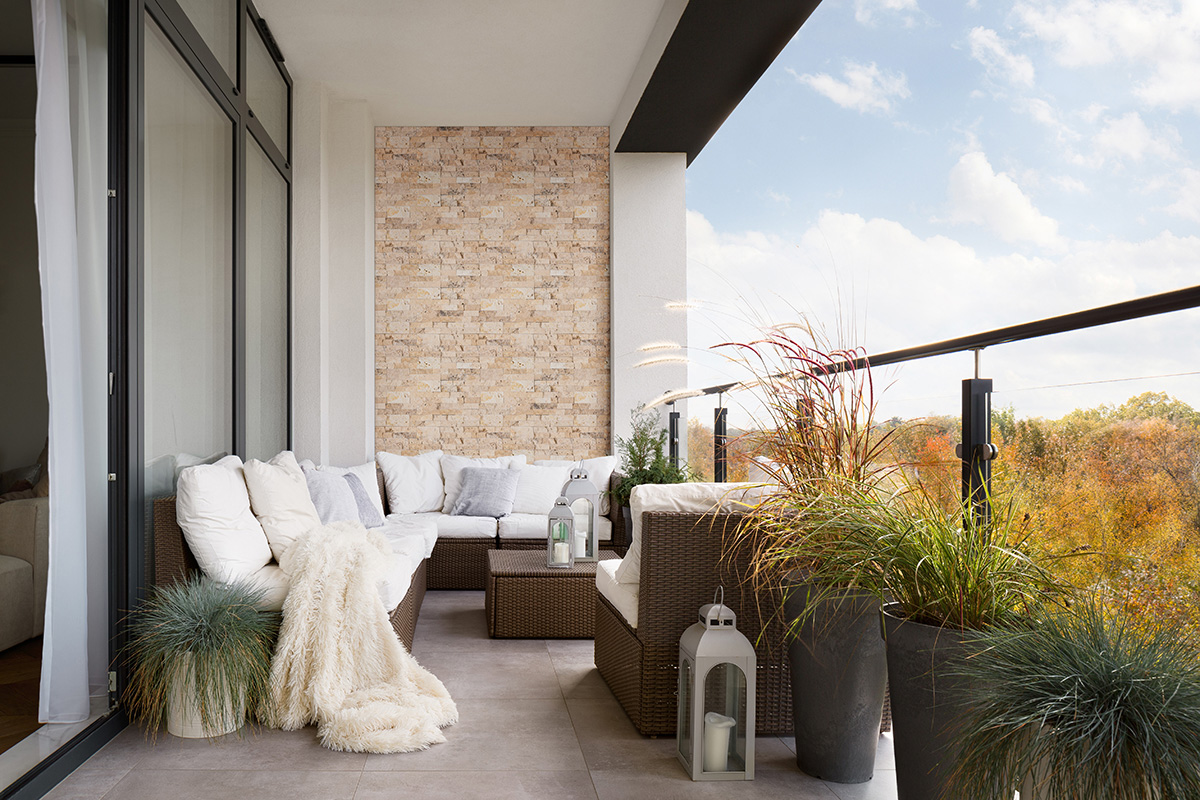
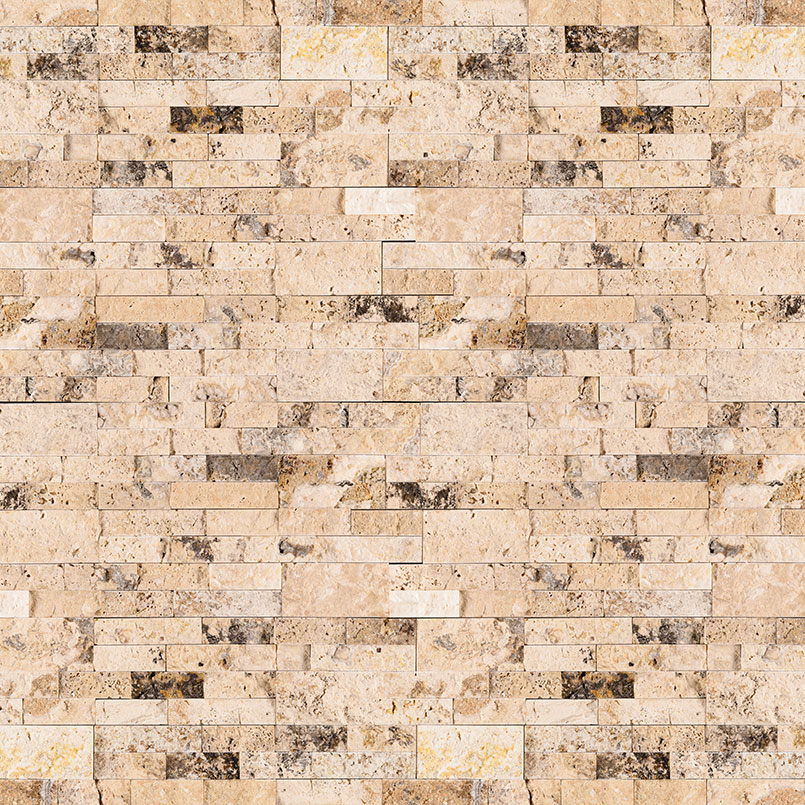
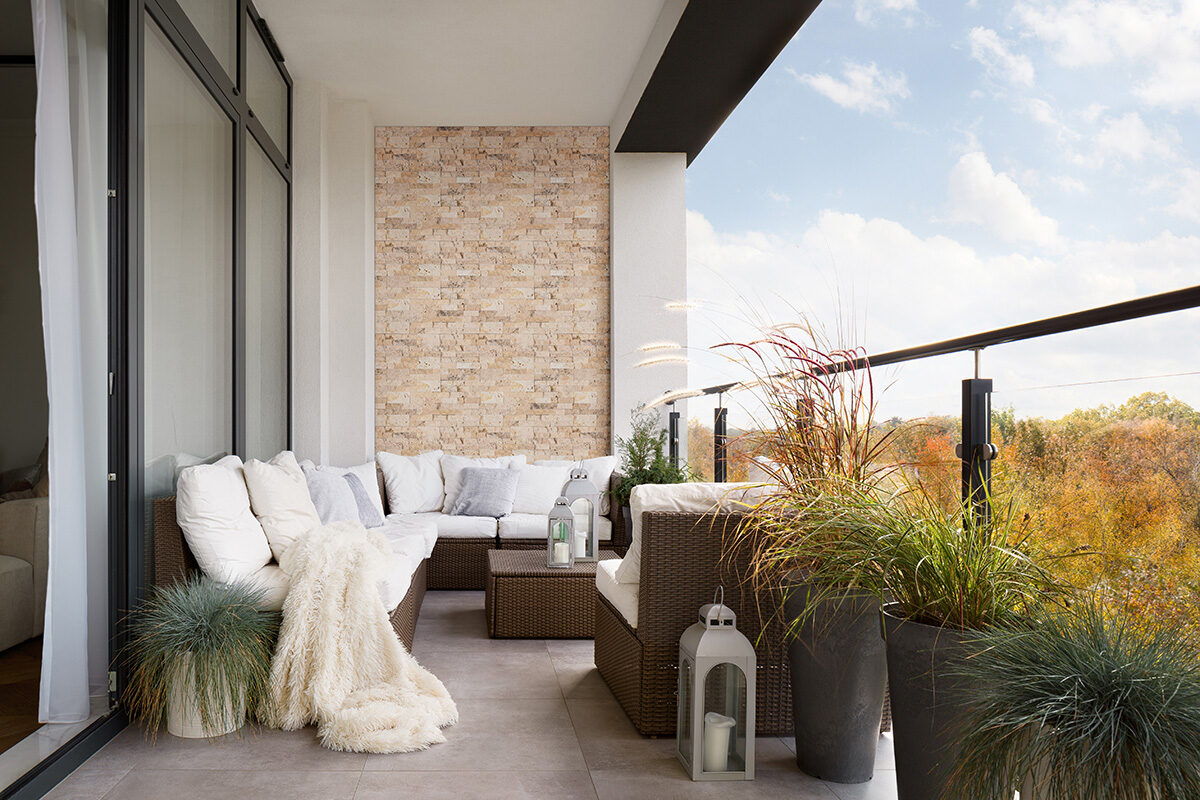
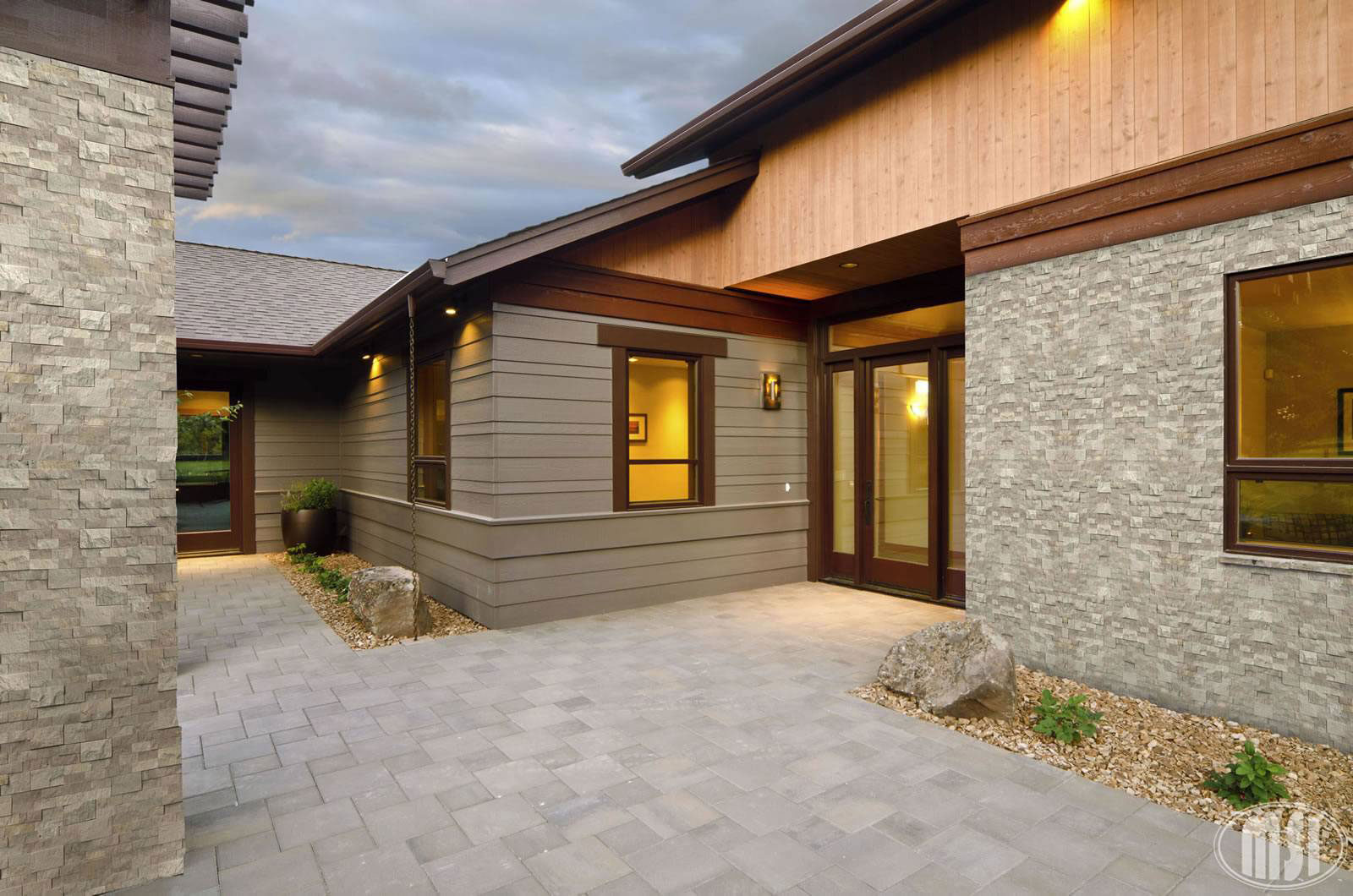
Philadelphia installed — a backsplash finished with this tile. Zoom in and read the pattern before you pick.
BacksplashPhiladelphia
Beige
Measured surface color #f8f7f5, averaging #c8beb5.
Flat surfaces read as one solid tone; heavily patterned ones vary piece to piece, so we lay them out with you before we cut.
- Color beige
- tile-to-tile variation Medium
What kind of tile is Philadelphia?
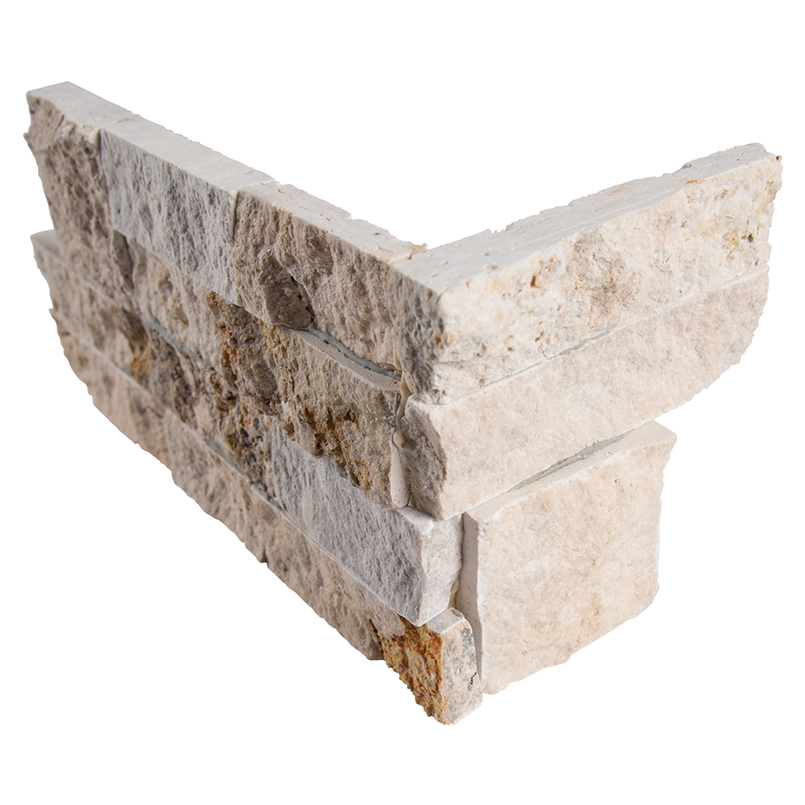
We stock Philadelphia as travertine, 6x12x6. Royal White and Glacial Gray sit in the same style family if you want to compare. It reads beige. Travertine is natural stone with open pores. It wants sealing, and it will etch where acid sits.
Sizes and finishes
How it is actually sold — measured off the spec sheet, not rounded.
Sizes
Philadelphia is made in 2 sizes. Size is the decision people skip and then notice every day: it sets how much grout line ends up in the field, and a larger module on the same wall reads calmer than a small one.
- 6x12x6
- 6X24
Finishes
It comes in one finish, split face.
- Split Face
What to expect once it is installed
The ratings that decide whether the finished wall matches the sample.
Grout free
This one is designed to be set without grout lines. It installs faster and leaves nothing to discolor, but it also means the substrate has to be genuinely flat — we check that before we quote.
Piece-to-piece variation: Medium
Graded medium, which is the easy end of this scale. Order it, set it, and it looks like the sample — no dry lay, no shuffling boxes.
Certifications
On the certification side, Greenguard Gold · USGBC/LEED. The Gold standard was written for schools, which is a stricter bar than a kitchen would ever have to clear. Worth a LEED credit too, on the jobs that track them.
What to put next to it
Built from the color we measured off Philadelphia itself, not from its name.
Measured, not guessed: #F8F7F5, very light and essentially neutral. The nearest color we hold pairings for is Pure White. It sits close to neutral, which means it will take direction from the cabinets rather than fight them.
Countertop
- White Veined (Marble-Look) — the bright gallery kitchen — veining supplies the movement plain white lacks. Against this surface it is close in weight, so the two will blend rather than contrast classic
- Black / Charcoal Stone — tuxedo scheme; hides counter mess that white counters broadcast. Against this surface it is much darker than this surface, so the tile reads as the light element classic
- Butcher Block — farmhouse warmth; the wood counter keeps pure white from feeling clinical. Against this surface it is a step darker — enough separation to read as two materials classic
- Terrazzo (Warm White Base) — Confetti-chip terrazzo does all the talking above gallery-white cabinets, giving a minimal kitchen exactly one playful sentence.. Against this surface it is a step darker — enough separation to read as two materials current
Hardware
- Warm Brass / Satin Gold — gold on white is jewelry — warms the scheme instantly. Against this surface it is a step darker — enough separation to read as two materials classic
- Matte Black (Metal) — graphic modern-farmhouse standard. Against this surface it is much darker than this surface, so the tile reads as the light element classic
- Brushed Nickel — the resale-safe default; disappears politely. Against this surface it is a step darker — enough separation to read as two materials solid
Island
- Navy — the proven two-tone: white perimeter, navy island. Against this surface it is much darker than this surface, so the tile reads as the light element classic
- Sage Green — softer than navy, ages like a neutral. Against this surface it is a step darker — enough separation to read as two materials current
- Natural / White Oak — white uppers + oak island is the 2020s signature. Against this surface it is a step darker — enough separation to read as two materials current
Wall color
- Greige — walls one step warmer than the cabinets so the white reads crisp. Against this surface it is a step darker — enough separation to read as two materials classic
- Dusty Blue — coastal calm without committing colored cabinets. Against this surface it is a step darker — enough separation to read as two materials solid
Backsplash
- White Veined (Marble-Look) — full-height slab match with the counter — seamless and grout-free. Against this surface it is close in weight, so the two will blend rather than contrast current
- Sage Green — sage zellige tile adds handmade texture against flat white. Against this surface it is a step darker — enough separation to read as two materials current
Flooring
- Natural / White Oak — white boxes float beautifully on golden oak. Against this surface it is a step darker — enough separation to read as two materials classic
- Light Gray — gray tile keeps an all-white kitchen from glare — verify undertones in daylight. Against this surface it is a step darker — enough separation to read as two materials solid
Faucet
- Polished Chrome — bright-on-bright; budget-friendly and honest. Against this surface it is a step darker — enough separation to read as two materials solid
Cabinets
- Natural / White Oak — gallery walls let the grain be the art. Against this surface it is a step darker — enough separation to read as two materials classic
Steer away from
- Cream / Antique White — cream next to pure white makes the cream look dirty — pick one white family
Questions about Philadelphia
Answered from this product’s own spec sheet and our measurement of it.
What size is Philadelphia?
Philadelphia comes in 2 sizes: 6x12x6 · 6X24. Pick the size before the color. It decides how much grout line ends up in the field, and on the same wall a larger module reads calmer than a small one.
What color is Philadelphia, really?
We measured its own swatch at #F8F7F5 — very light and essentially neutral. It sits close to neutral, so it takes direction from the cabinets rather than fighting them. Names are marketing; that number is what the camera saw.
What is Philadelphia made of?
Philadelphia is a travertine tile, which is what decides how it is cared for — see the sealing answer below.
Does Philadelphia need sealing?
Yes. Travertine is the most porous of the stones we set. Seal it on installation, keep it sealed, and use pH-neutral cleaners only.
Does Philadelphia need grout?
No — it is designed to be set without grout lines. That installs faster and leaves nothing to discolor, but the substrate has to be genuinely flat. We check that before we quote, not after.
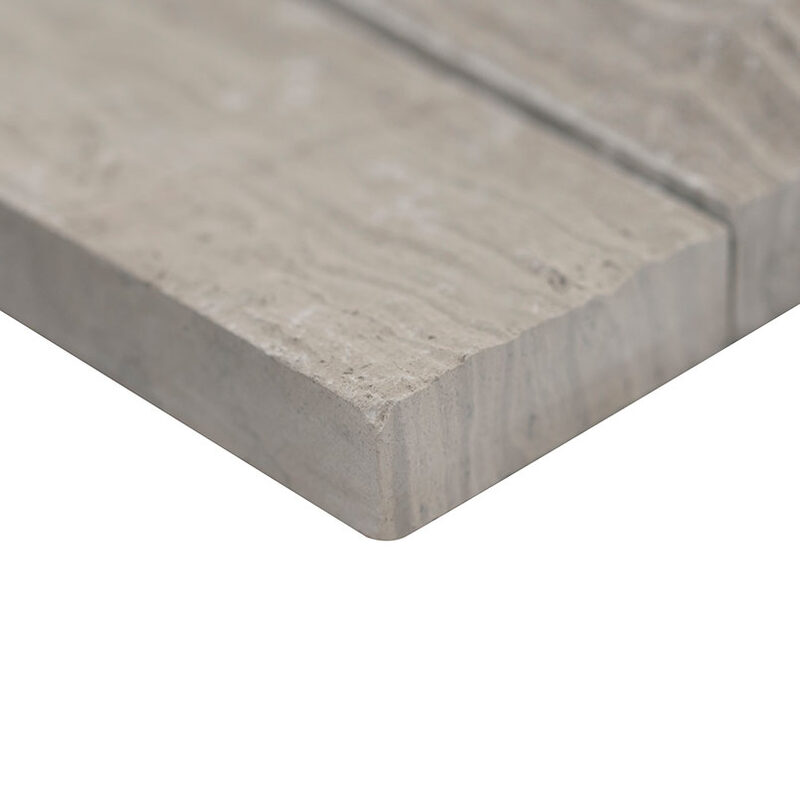
Close up
Swatches
Tiles that look like Philadelphia
-
-
- Alaska Gray not measured yet
- Sunset Silver not measured yet
- Alaska Gray 3D Honed not measured yet
-
- Alaska Gray Multi Finish not measured yet
-
- Amber Falls not measured yet
-
-
Philadelphia specifications
- Available size 6x12x6
- Available size 6X24
Finishes Split Face
Rated for Flooring
Ready for a real number?
Free in-home template and an honest quote — you keep your money until there's a countertop to trade it for.